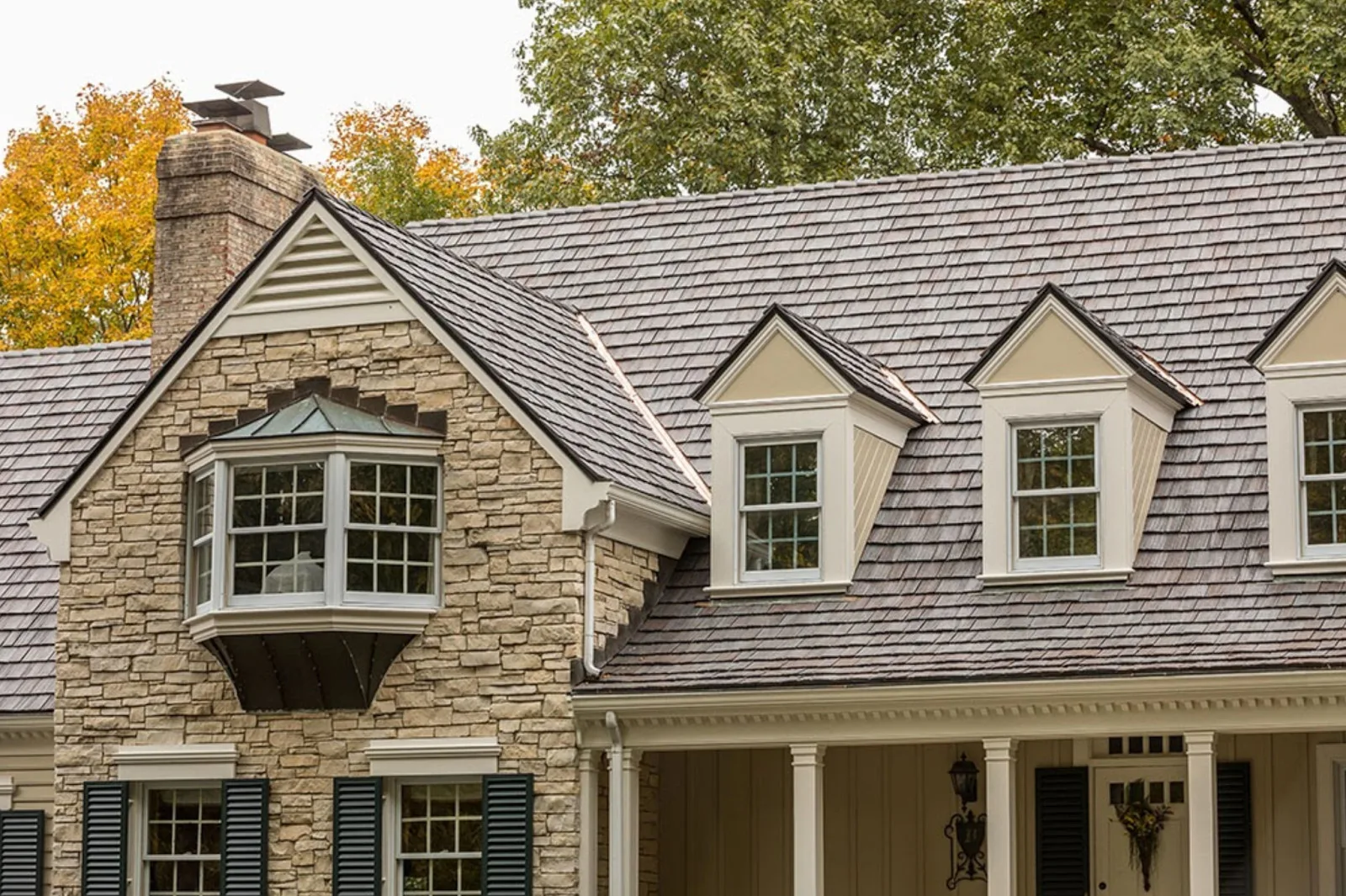
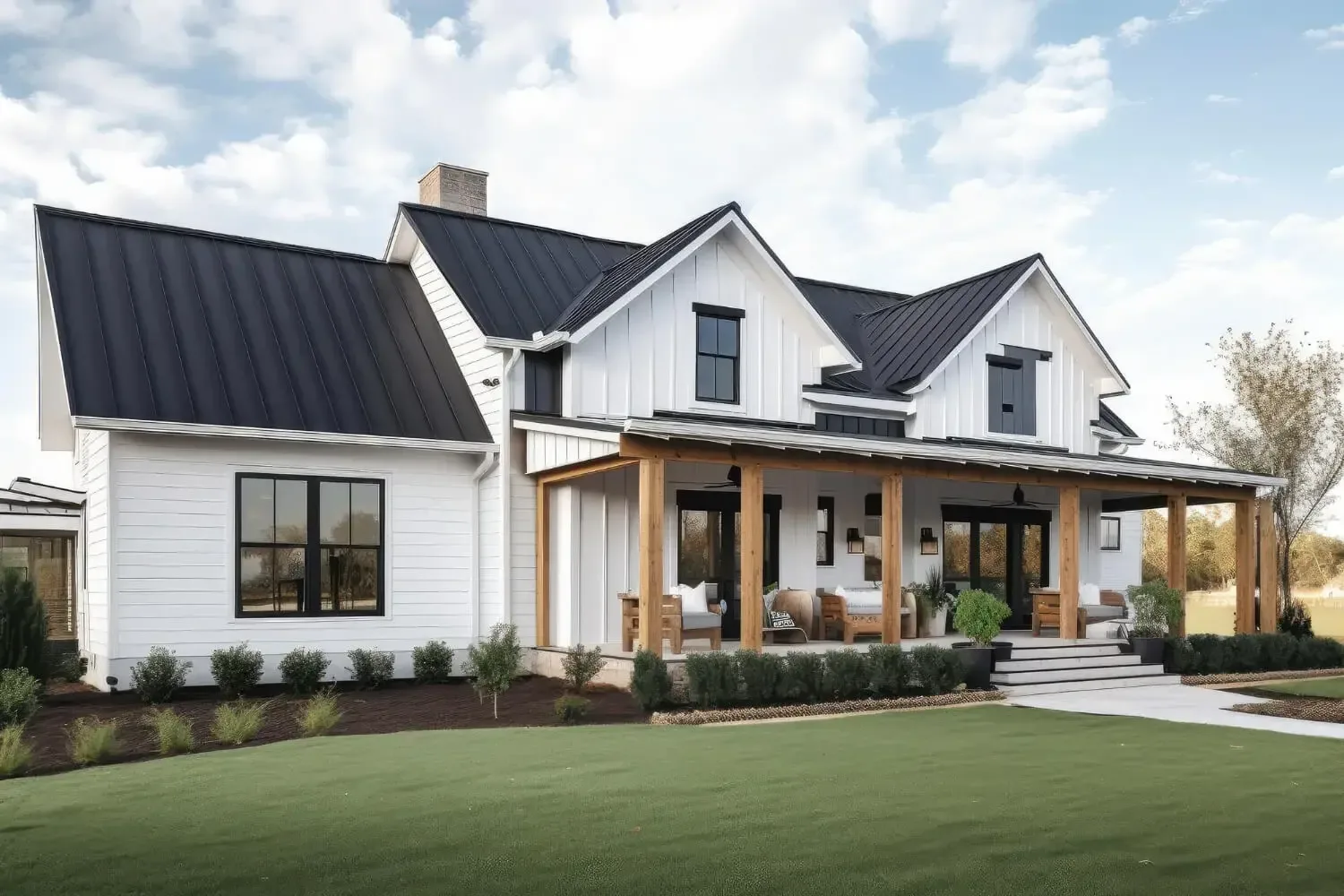
What is a roofing forensic examination?
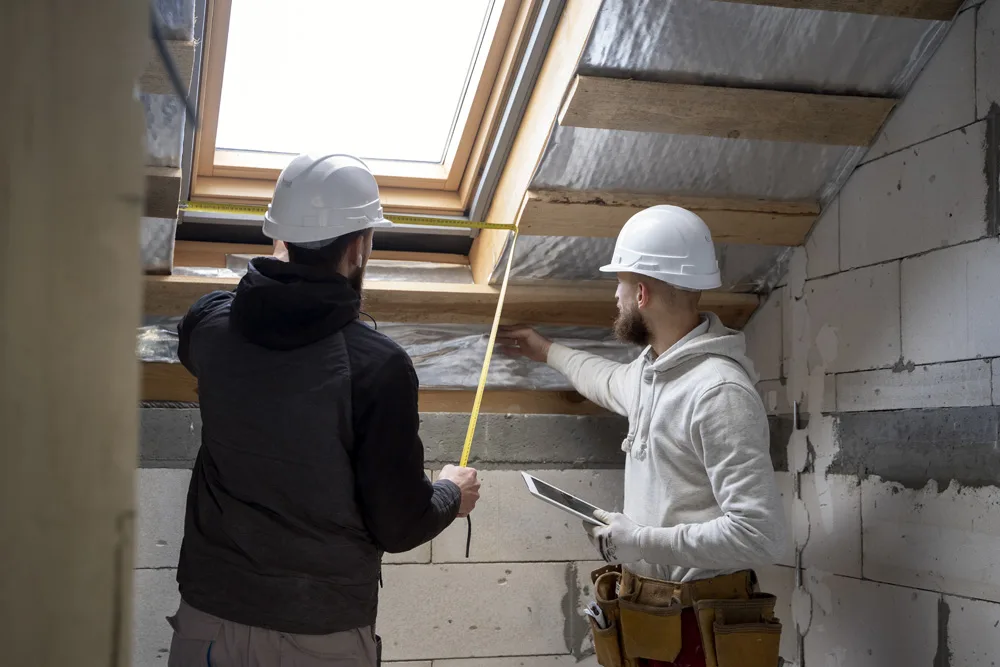
A roofing forensic examination is the process of researching and thoroughly evaluating the roofing system to identify defects, analyze the correctness of material installation by the contractor, determine the causes of leaks, premature wear, or structural damage. This is not a standard inspection but an in-depth study of the roof’s condition and functionality, regardless of its covering, whether it’s cedar shakes, asphalt shingles, or metal. The analysis is conducted by specialists who possess relevant knowledge and extensive experience in preparing expert reports.
When is a roofing forensic examination necessary?
This service is typically used by people who have recently purchased property and wish to fully inspect the building, as well as by roofing repair clients who want to know if the installation was done properly and whether good materials were used.
During the examination, the following can be determined:
- Presence of defects and their severity;
- Compliance with current building codes;
- Possibility of insurance claims;
- Quality of warranty service;
- Compliance with the manufacturer’s roofing specifications;
- Environmental damage caused during installation.
All of this is important for filing a lawsuit or preparing a claim, as well as for mediation.
What does the roofing examination include?
The first step of the examination is a visual inspection. However, this is not enough, so the process is comprehensive and includes the following stages, utilizing expert analysis and advanced technologies:
- Structural assessment: This includes the evaluation of the frame, decking, and trusses. The analysis identifies sagging, damage, weak spots, structural shifts, moisture penetration, and other issues that require resolution.
- Infrared thermography: Special cameras detect hidden moisture that has penetrated under the shingles or membrane. These subtle “hot spots” indicate leaks that are not visible to the naked eye.
- Sampling: This involves the localized removal of a small section of the roof. This fragment is analyzed to check the integrity of the insulation, moisture levels, and material adhesion.
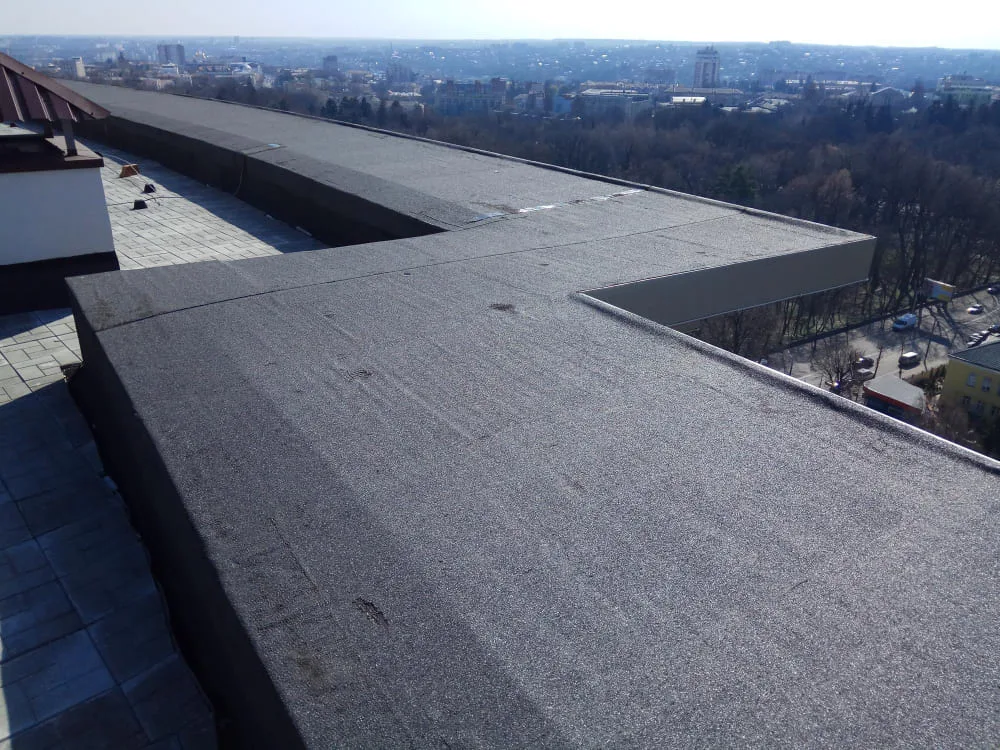
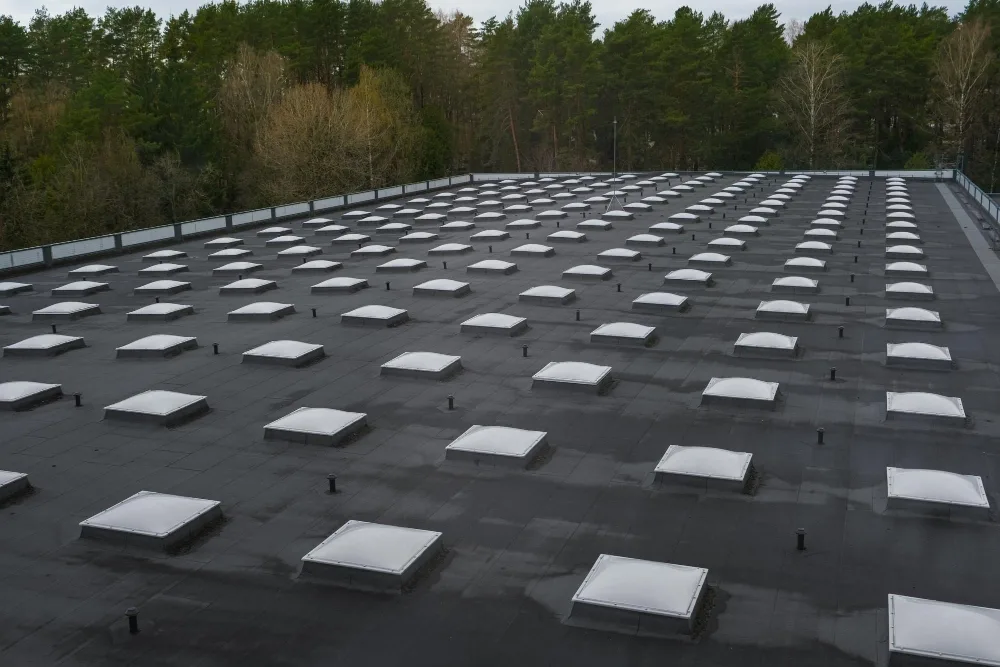
- Drainage system investigation: Experts check the roof’s slope and the efficiency of water drainage. Flat and low-slope roofs often require adjustments or complete replacement of the roofing to ensure proper water flow to the gutters.
- Material testing: This helps determine the quality of the materials and their impact on the overall roofing structure. Additionally, evaluating material properties helps understand how the roof affects the environment.

When should a roofing examination be scheduled?
A roofing examination should be planned in the near future in the following cases:
- Persistent leaks with no visible roof damage, after recent repairs or replacements;
- Increased humidity in the rooms;
- Mold in the attic and living rooms – on the ceiling, on the walls;
- Unpleasant musty smell in the attic;
- Increased electricity bills due to poor ventilation or high heat loss;
- Visible cracks on the roof, areas of sagging or bulging;
- Doubts about the correctness of the roof installation by previous contractors.
After the analysis, an expert report is issued, indicating the identified defects and damages, their causes, and recommendations for resolving the issues.
Hidden roofing problems revealed by the examination
A comprehensive expert check can reveal:
- Leaks that are not yet noticeable but are already causing damage to the roof and may lead to the destruction of the building materials in the future.
- Installation errors, such as insufficient sealing of seams or joints, unevenly hammered nails, rough roof installation – all of which accelerate roof wear.
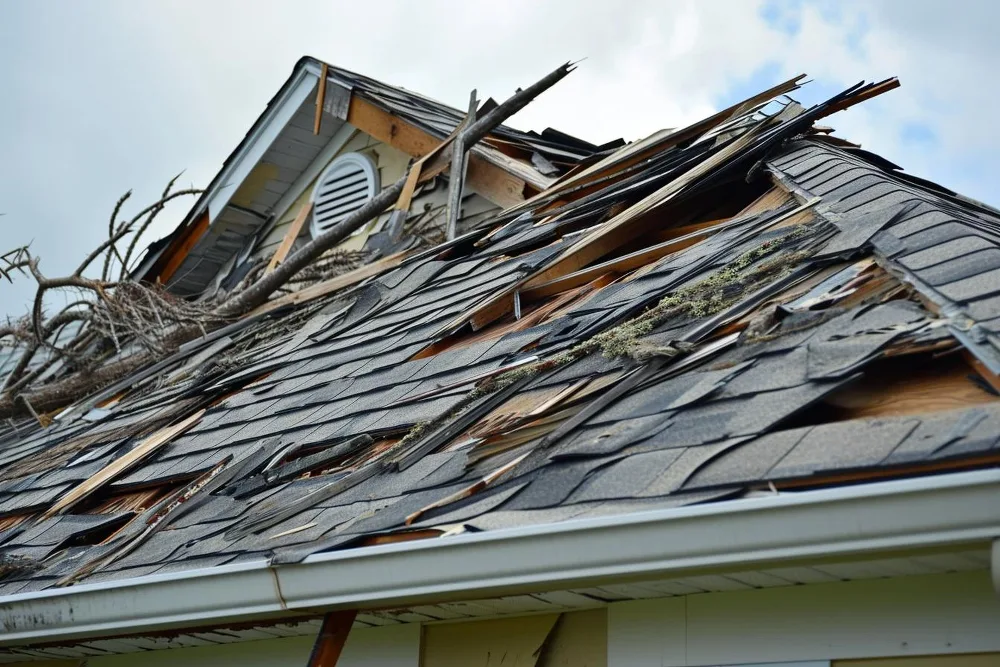
- Hidden damage after a hurricane or storm – small tears in the membrane, subtle shifts in shingles. This is important for documenting damage for insurance claims.
- Incorrect ventilation, such as clogged soffits or ventilation openings, which can cause high humidity and heat buildup in the building.
- Problems with materials. If they are low quality, they can quickly deteriorate and pollute the environment.

Conclusion
Simply inspecting the roof yourself is not enough. To understand how well it is functioning and whether it meets standards, a forensic examination is required. It should be entrusted to experienced professionals, such as Roofing & Siding in Cape Cod.