Definition of a canopy, porch roof, portico, cornice, and awning
There are various types of constructions, each with its own name. Below are popular terms, their definitions, and accurate descriptions.
Porch roof
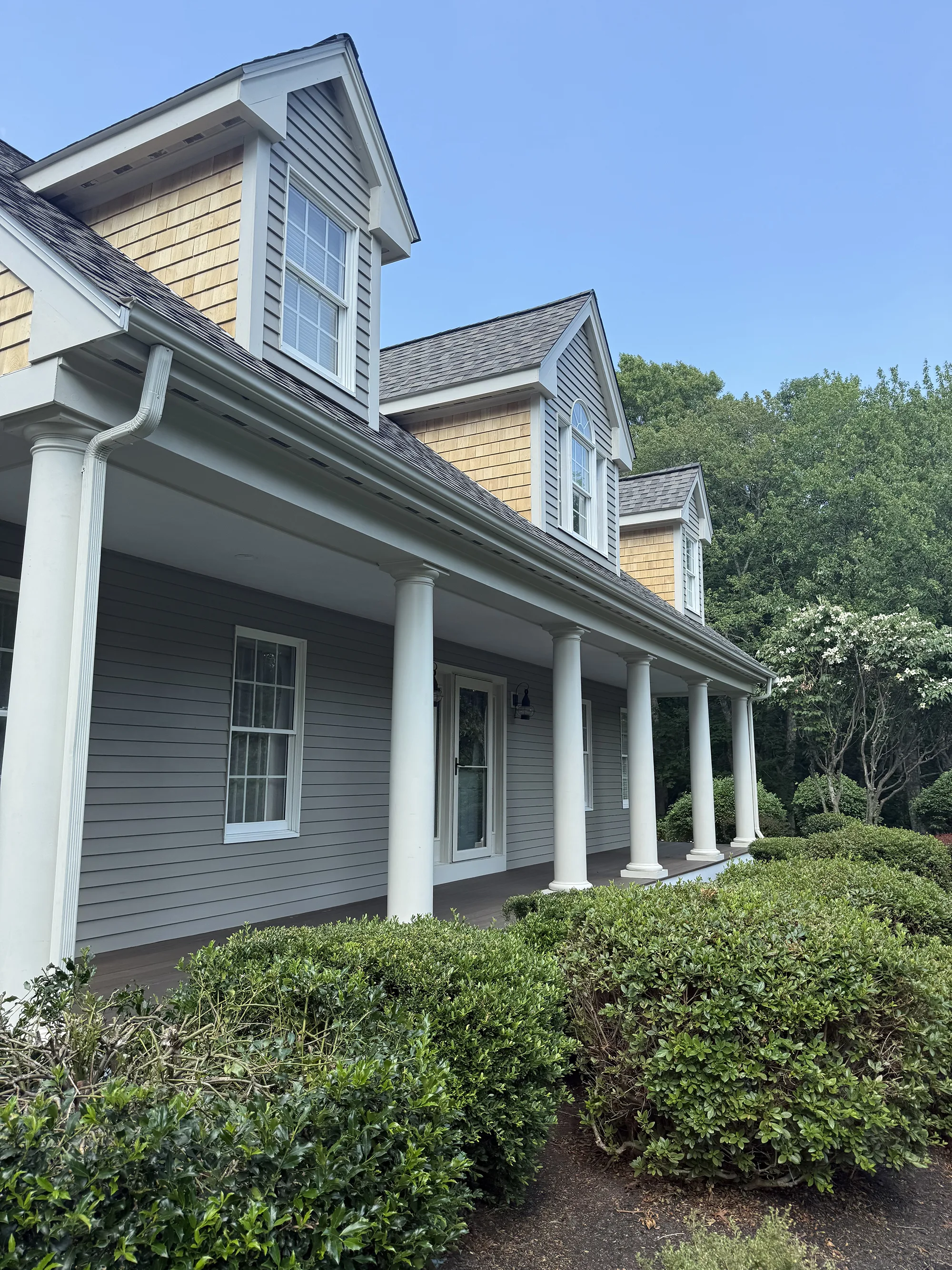
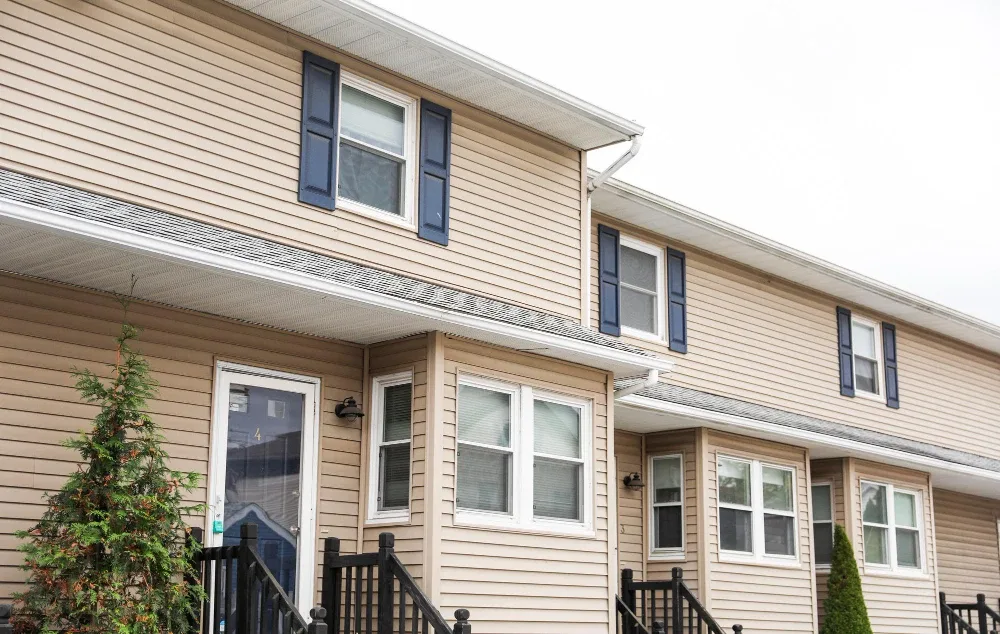
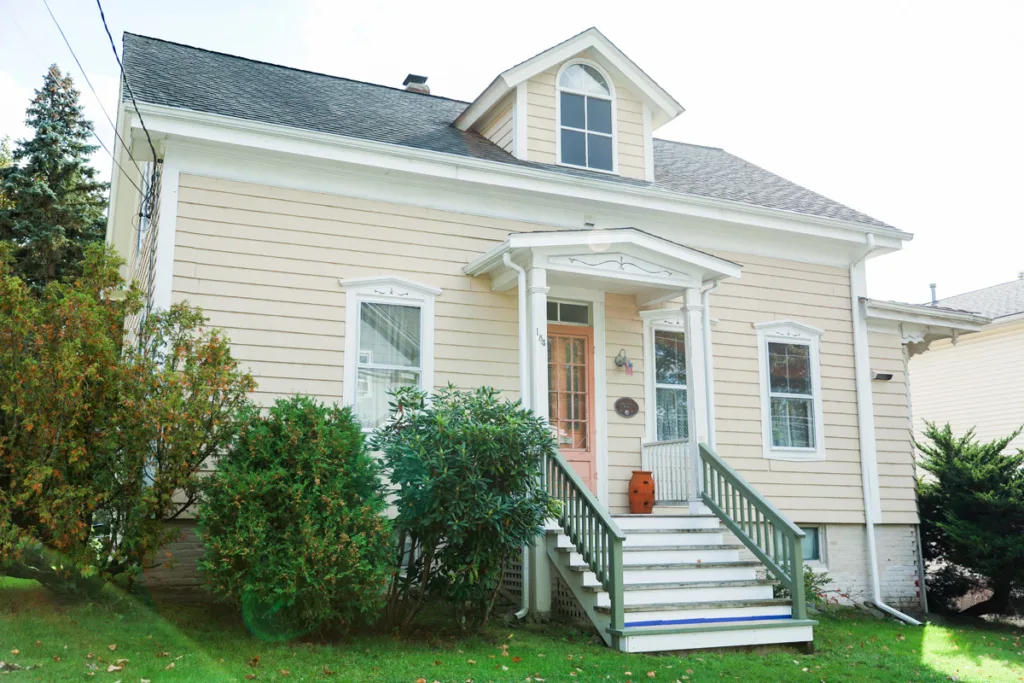
According to an article published by The Spruce, a porch roof is a canopy located in front of the house entrance, above the porch area. The porch is a small platform by the door. It has no windows, although side walls and glazing may be included to protect from cold, wind, rain, rodents, and insects. The roof itself reliably protects the porch from precipitation. It is positioned low. This option is commonly found in buildings constructed in the first half of the last century.
Canopy
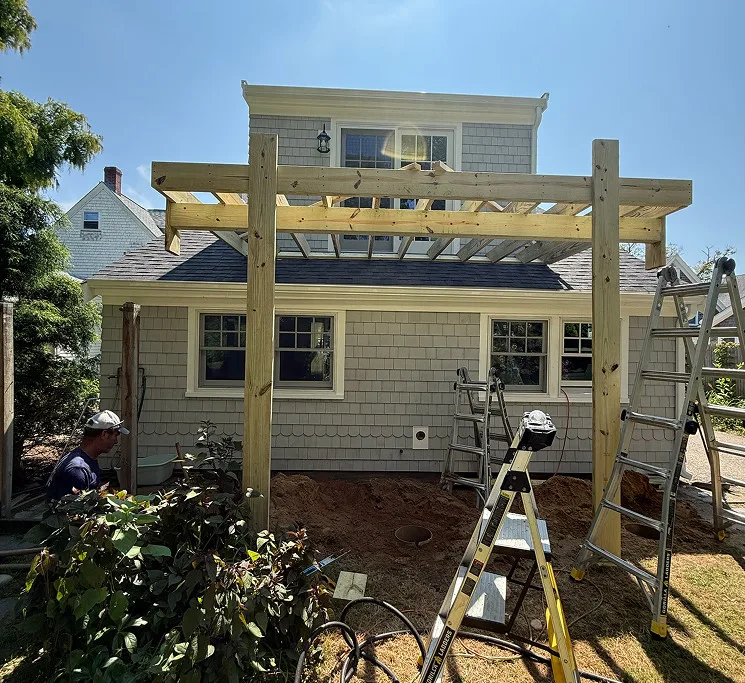
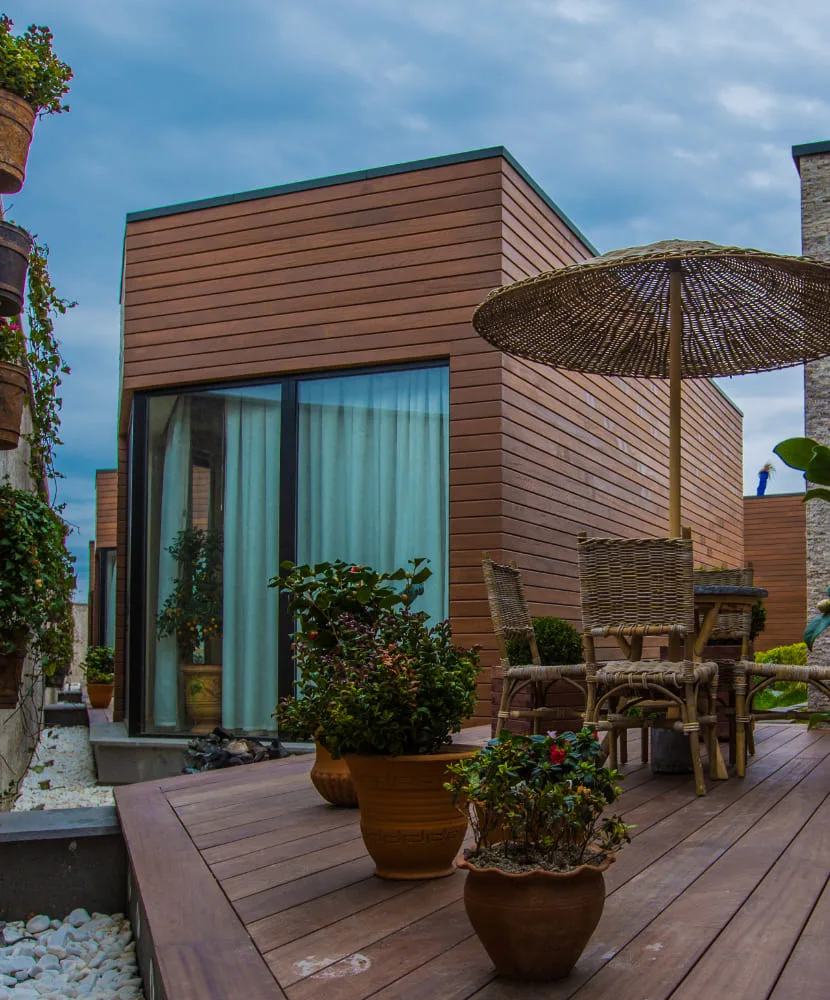
A canopy is a structure that protects an area adjacent to a residential or commercial building from precipitation and other environmental factors. It is usually placed above the entrance door. A canopy is typically not a permanent structure; it is assembled when needed and dismantled and stored when not in use.Awning or canopy
According to Wikipedia, an awning (canopy) is made from a durable material. It is a fabric stretched over a frame made of steel, aluminum, iron, or wood. The function of an awning is to create a shaded area, protect from direct sunlight, and prevent snow or rain from entering the sheltered area. Awnings and canopies are fixed to the facades of buildings above windows or entrance doors. These structures are usually permanent but can also be collapsible and used when necessary.Marquee
A marquee is a retractable, assembled canopy that does not have supports. It is fixed to the building with brackets and has a metal frame with a heavy fabric stretched over it. A marquee provides good protection from snow, rain, and wind. These structures are easy to roll up and down and are installed above balconies, windows, entrance doors, pergolas, and terraces.Cornice
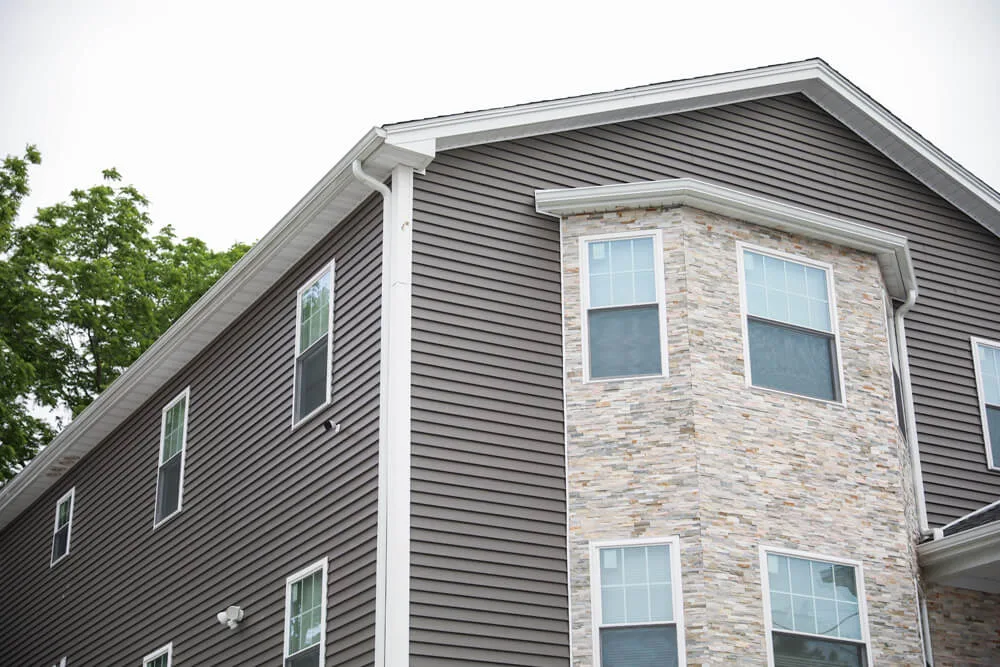
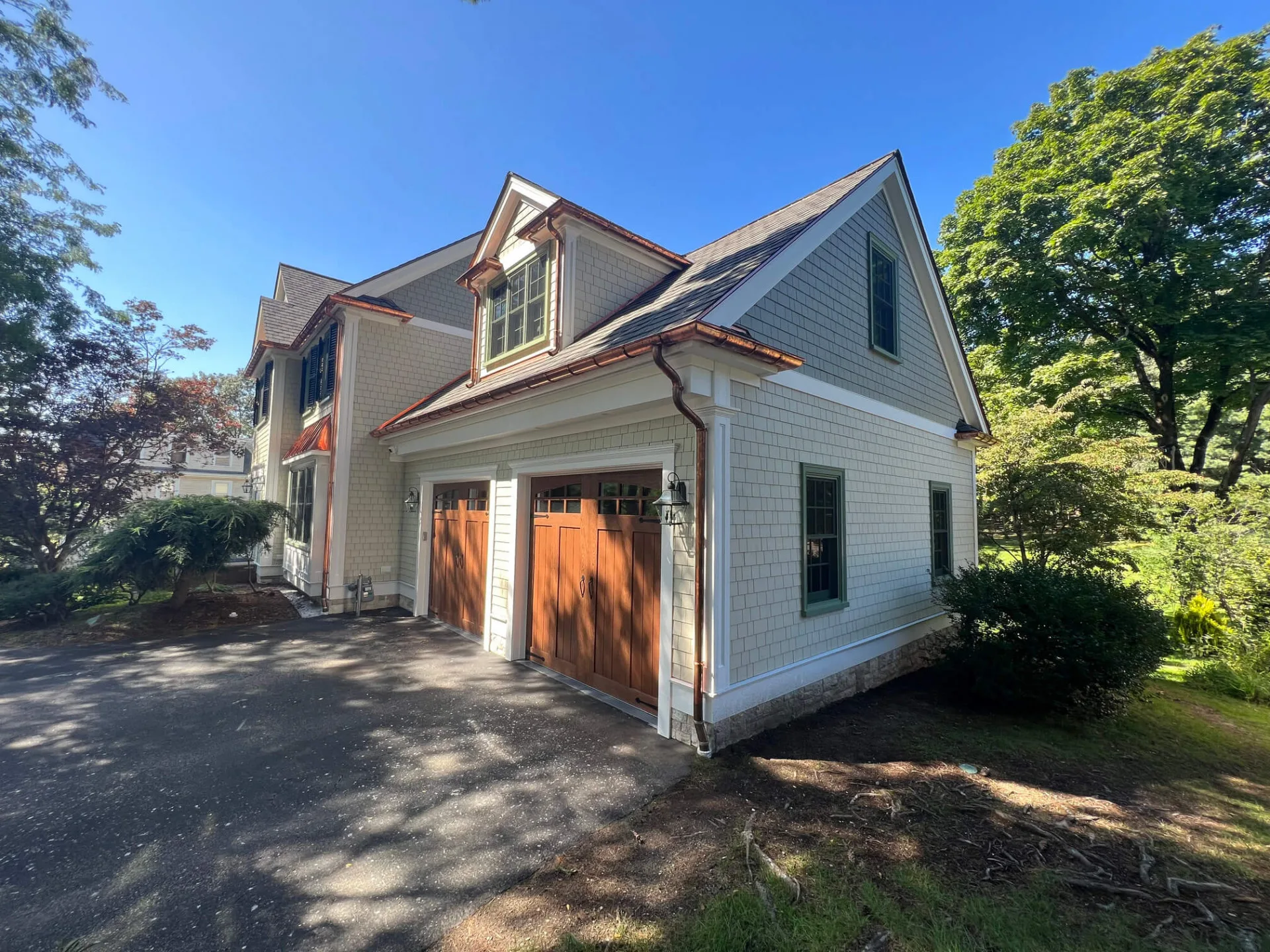
A cornice is not a separate structure. It is a part of the roof that extends beyond the building. The cornice hangs over the roof and provides additional protection to the building’s facades from ultraviolet rays, snow, rain, and wind gusts.Portico
According to Conservation Wiki, a portico is a type of roof supported by a row of high columns spaced evenly apart. These columns serve as supports. Such structures were popular in ancient Greek temples. They led people to the entrance and marked and protected the path to the building. A portico is similar to a veranda but is not used for entertaining guests. It serves as a zone between the street and the interior space of the building.Which is better: awning, marquee, canopy, porch roof, portico, or cornice?
Each of the listed structures has specific functions, purposes, and compatibility with particular buildings. For example, their functionality may involve protection from environmental factors, increasing the usable space of the house, creating an additional zone, and achieving aesthetics that complement the architectural look. When choosing an option, consider your preferences, the intended purpose of the structure, the building’s design, the entrance area or porch, and the area over which the roof will be placed.

Names of porch elements
It is useful to know the names of the important components of a porch:
- Roof. This is the upper part that protects the porch area from bad weather – snow, rain. The roof is usually a single-pitched design with a slope to ensure timely water drainage.
- Fascia. This is a flat cladding in the form of a trimmed board that runs along the front edge of the roof below the tiles. This cladding covers the ends of the rafters, making the porch look more finished and neat.
- Frieze beam. It supports the roof and distributes its weight onto the columns or other supports. A flat cladding in the form of a frieze board is usually provided around the perimeter of the beam.
- Capitals. This is the upper decorative part of a supporting element – a column or post. The name comes from the Latin word “caput,” which translates to “head.”
- Column or post. This is the vertical support that holds the porch roof. The frame made of steel or wood is placed on the columns or posts.
- Balustrade. This is a set of railings that includes handrails, posts, and balusters.
- Handrail. This is the upper horizontal element of the balustrade. It is usually designed with a slanted or rounded shape for comfortable grip.
- Balusters. These are the vertical rods that fill the gap between the bottom rail of the balustrade and the handrail. According to current building codes, balusters should be spaced no more than 10 cm (4 inches) apart, measured from the center of each element.
- Balustrade post. This is the support for the balusters, located next to the bottom step or directly on it. The post is small and fixed to the balustrade, giving the staircase a more harmonious and expressive look.
- Bottom handrail. This runs horizontally along the lower section of the balustrade. It connects to the balustrade post and serves as support for the baluster.
- Riser. These are the vertical boards that connect the steps together and cover the space beneath them.
- Tread. This is the flat, level, horizontal surface of the step. The depth of the tread is from 10 inches to 14 inches (from 25.5 cm to 30 cm). The front edge is called the nosing and is rounded.
- Stringers. These are saw-tooth-shaped angled boards on which the stairs are placed. Stringers are usually made from 2512 lumber and spaced 16 inches (40.5 cm) apart. Visible stringers on both sides of the staircase can be covered with a decorative board.
Conclusion
Various terms are used to refer to small roofs. When choosing an option, you should focus not only on the name but also on the purpose, design, and functionality. Specialists from Roofing & Siding in Cape Cod can help you choose and install the right roof. We will find the best solution for you and quickly and efficiently implement projects of any complexity.